There is a published framework and it is worth knowing, because a
warranty provider, a lender's valuer and a planning officer all use it. It was produced
by the Ministry of Housing, Communities and Local Government's Joint Industry Working
Group on modern methods of construction, with Buildoffsite, Homes England, NHBC and
RICS. Categories one and two are systems. Three to five are parts. Six and seven are
not products at all.
1Pre-manufacturing, 3D primary structural systemsVolumetric. Whole rooms or whole buildings finished in a factory and craned into place. Highest factory content, highest capital cost, least tolerant of a late change of mind.
2Pre-manufacturing, 2D primary structural systemsFlat panels: timber frame, light gauge steel frame, cross laminated timber, structural insulated panels. The walls arrive flat and are stood up on site. This is the category most small builders can actually reach.
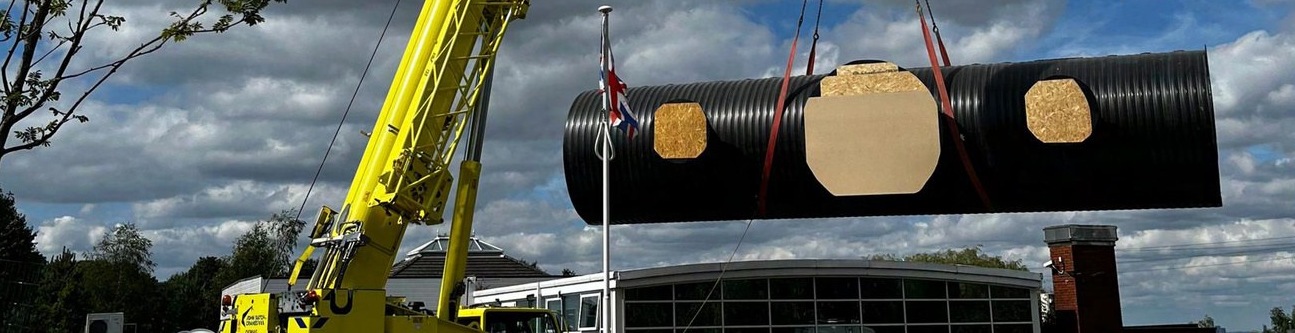
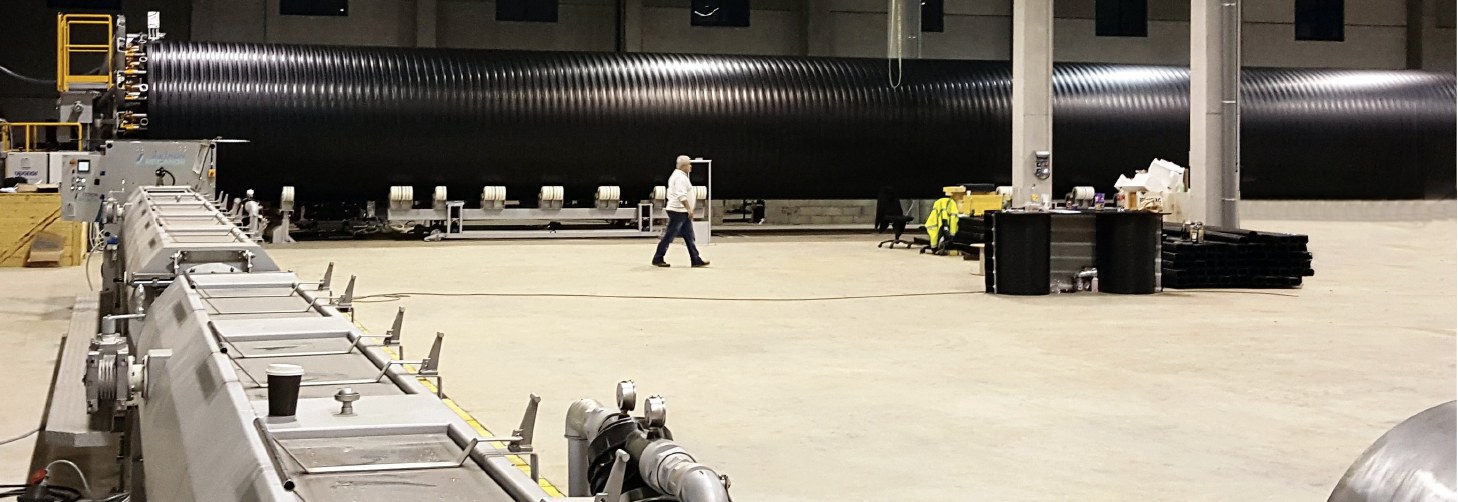
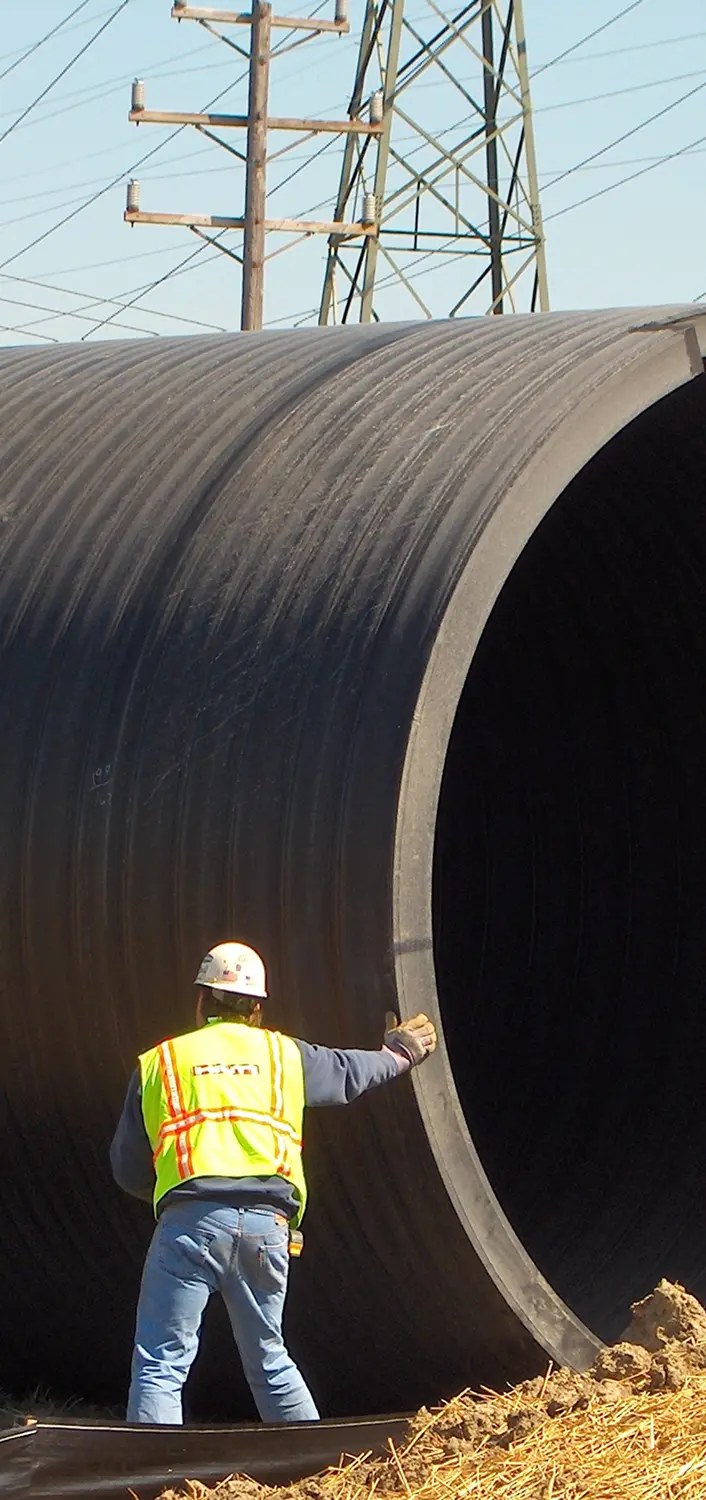
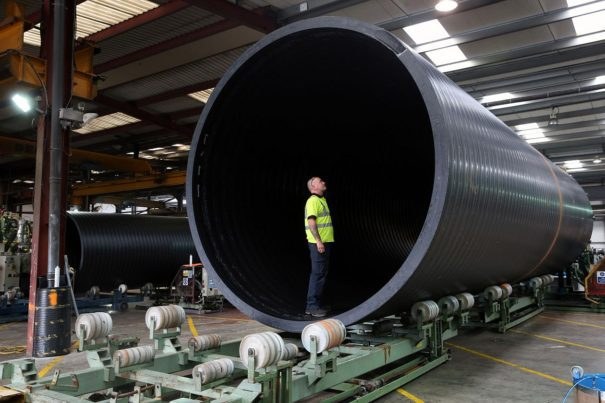
3Pre-manufacturing components, non-systemised primary structureNot a system, but the heavy pieces made off site: beams, cassettes, stairs, pre-cast units, and shells made for another purpose entirely and used as structure.
4Additive manufacturing, structural and non-structuralPrinting. Concrete printed on site or in a shed, and printed components. Real, still small, and still arguing with the Building Regulations about what it is.
5Pre-manufacturing, non-structural assemblies and sub-assembliesPodded bathrooms and plant rooms, pre-made roof and floor cassettes, wiring looms, pre-plumbed risers. The structure is traditional; the awkward wet trades are not.
6Traditional building product led site labour reductionThin joint blockwork, large format units, pre-cut and pre-drilled materials. The same building, fewer hours on site.
7Site process led labour reduction, productivity and assurance improvementNot a product at all: how the site is run, sequenced, measured and inspected. The cheapest category to adopt and the one nobody markets.